Google Ads is one of the most used tools for online marketing. It helps businesses show ads to people who are already searching for products or services. This makes it a strong way to bring traffic and increase sales.
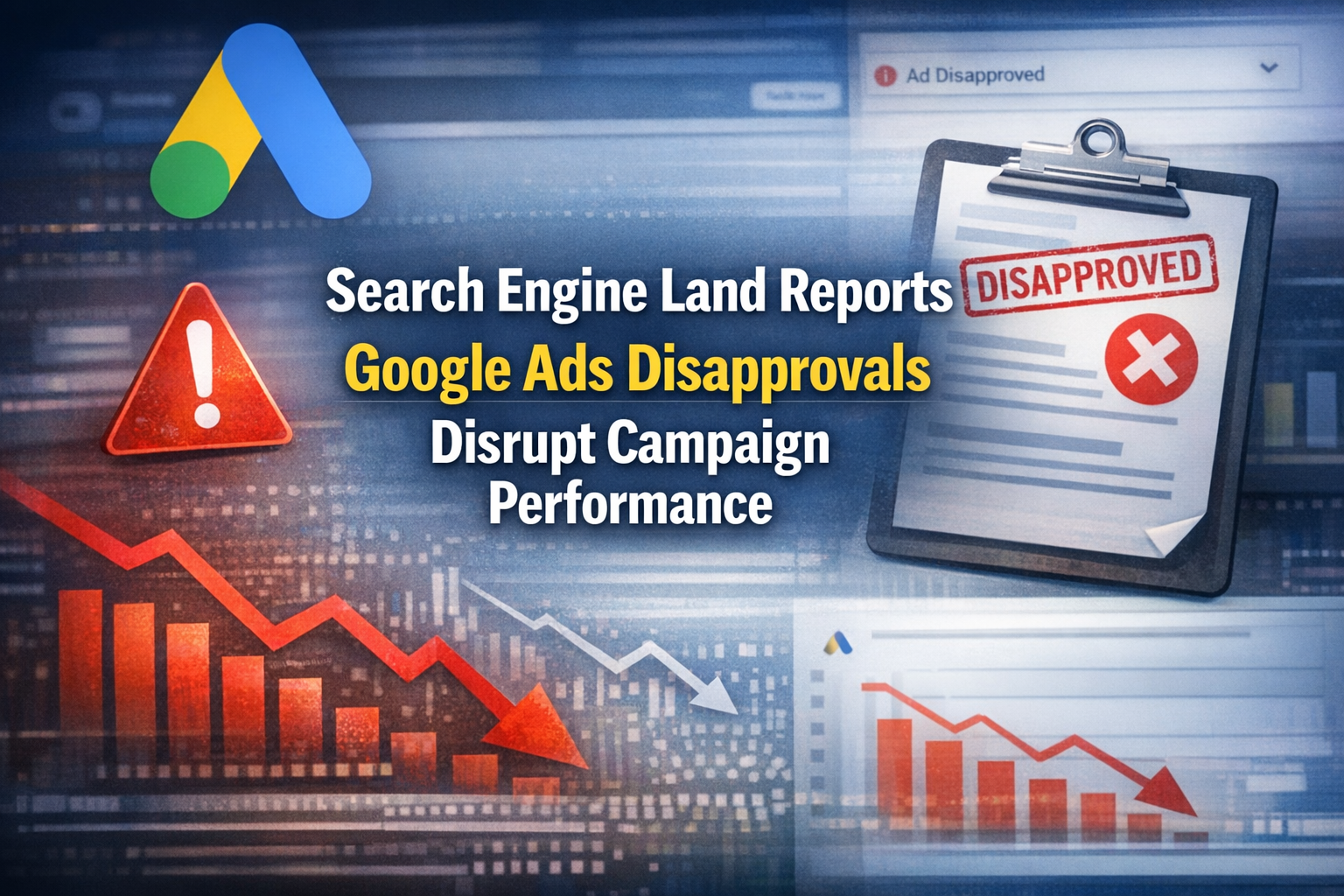
Recently, advertisers have seen more problems with ad disapprovals that affect live campaigns. These sudden blocks can stop ads without warning and reduce performance quickly. Reports from Search Engine Land’s PPC coverage highlight how this issue is growing and affecting many advertisers.
What Is Happening With Ad Disapprovals
More advertisers are now reporting sudden ad rejections in Google Ads. These disapprovals often happen even when ads seem to follow the rules. This creates confusion and interrupts campaign flow.
In many cases, ads stop running after small changes. Even a simple edit in text or landing pages can trigger rejection. This leads to lost traffic and unstable performance.
Common issues include:
Ads rejected after minor edits
Sudden pause in active campaigns
No clear explanation for rejection
Slower review times than before
These problems make it harder for advertisers to trust campaign stability.
Search Engine Land Findings
Search Engine Land has reported that automation now plays a major role in ad reviews. In Google Ads, most checks are handled by machine systems instead of human reviewers. These systems scan ads and decide if they meet policy rules. While this improves speed, it also creates problems. Many advertisers say safe ads are sometimes rejected due to small wording or landing page signals. Policy updates also roll out very fast, giving little time to adjust campaigns. As a result, ads that were working fine can suddenly stop. Search Engine Land also highlights that feedback is often unclear, making it harder to fix issues and restore performance.
Key Findings Explained
Automation-driven reviews: Most ad checks are now done by machines, not humans, which increases speed but reduces context-based judgment.
False disapprovals risk: Even safe ads can be flagged due to small wording or landing page signals that the system misreads.
Fast policy changes: Updates are applied instantly, leaving advertisers with little time to adjust active campaigns.
Sudden performance drops: Ads can stop overnight, causing traffic and revenue loss without warning.
Unclear feedback system: Rejection messages are often too general, making it difficult to identify the exact issue.
More time spent fixing than scaling: Advertisers often spend hours troubleshooting instead of improving campaign performance.
Transparency gap: The system is fast but lacks clear explanations, creating confusion for users.
Why Ads Get Disapproved
Understanding why ads are rejected is important for reducing future problems in Google Ads. Most disapprovals come from automated review systems that scan ads for risk signals, policy issues, and content mismatches. These systems do not just look at one factor—they evaluate the ad, the landing page, and even how everything connects.
Policy Triggers
Certain words, phrases, or bold claims may be seen as misleading or unsafe. Even if the intent is harmless, strong marketing language can sometimes activate filters. This can lead to instant rejection, especially in competitive industries.
Landing Page Problems
If a website loads slowly, shows errors, or has broken links, the ad may be rejected automatically. The system expects a smooth user experience. When the landing page does not meet this standard, may block the ad to protect user trust.
Content Mismatch
When the message in the ad does not match the content on the landing page, it creates a trust issue. For example, if the ad promises one thing but the page shows something different, the system may flag it. This is a common reason for disapproval.
Sensitive Topics
Some topics are reviewed more strictly than others. Even if they are allowed under policy, they may still face extra checks. This can slow down approval or lead to rejection if the system detects risk patterns.
These checks happen automatically in Google Ads, often without any human review in the first stage.
Impact on Campaign Performance
When ads stop running, the effects are immediate and easy to notice. Traffic drops, leads decrease, and sales slow down quickly. Even a short pause can break the flow of customer activity and reduce overall performance.
In Google Ads, even short disruptions can lead to:
Lower website traffic: Fewer people reach the website, which reduces daily activity and engagement.
Reduced conversions: Fewer sign-ups, purchases, or leads are generated during the downtime.
Higher cost per click: After restarting, ads may become more expensive due to lost performance signals.
Poor ad ranking: Ads may lose position in search results, reducing visibility.
Lost market visibility: Brands become less visible while competitors continue showing ads.
Competitors continue running ads during these gaps, which increases the performance difference. Over time, this can make it harder to regain lost position even after campaigns restart.
Business Growth Impact
Disapprovals affect more than just clicks. They also create long-term challenges for business growth and stability.
Businesses using Google Ads may face:
Reduced brand visibility: Fewer impressions mean a weaker presence in search results.
Higher marketing costs: Extra spending may be needed to recover lost traffic.
Unstable customer flow: Leads and sales become unpredictable from day to day.
Slower revenue growth: Interruptions directly affect income and scaling plans.
This is why campaign stability becomes a key factor in long-term planning. Even small disruptions can create gaps in performance that take time to recover, especially in competitive markets.
Performance Breakdown Table
Below is a more detailed breakdown of how issues impact different parts of a campaign. This shows how one problem can affect the entire marketing system, from visibility to revenue.
Area Affected
What Happens
Result for Business
Ad Delivery
Ads stop showing or enter limited delivery due to disapprovals or policy checks
Immediate traffic loss, fewer visitors, and reduced brand exposure
Budget Usage
Daily spend becomes inconsistent or unused during ad pauses
Poor cost control, wasted planning, and uneven campaign spending
Click Rate
Ads receive fewer impressions because of reduced visibility
Lower engagement, weaker audience reach, and reduced ad performance signals
Conversions
Leads and sales drop when users cannot see or interact with ads
Direct revenue loss and missed business opportunities
Account Stability
Frequent pauses, reviews, or disapprovals interrupt campaign flow
Unstable growth, unpredictable performance, and difficulty scaling campaigns
Quality Score
Ad relevance signals weaken due to interruptions
Higher future costs per click and reduced ad ranking positions
Market Position
Competitors maintain steady visibility while ads are paused
Loss of competitive advantage and reduced share in search results
Learning Phase Impact
System resets performance learning after interruptions
Slower optimization and delayed recovery of strong campaign performance
How to Fix Disapprovals
Fixing issues in Google Ads requires careful steps. Rushing changes can delay approval even more. Start by reading the policy message in the account. It usually explains the reason for rejection.
Next, check your ad text and landing page. Look for mismatches or unclear messages. Also, ensure your website loads properly on mobile and desktop.
Helpful actions include:
Removing risky phrases
Matching ad and landing page content
Fixing page speed issues
Requesting a review after updates
Most ads get approved again after corrections, but processing time can vary.
Why Fixes Take Time
One of the biggest issues advertisers face is the delay in approval. Even after making corrections, ads do not go live immediately and often stay under review for some time.
In Google Ads, the system first uses automation to check updates. If something still looks unclear, it may pass the ad into a second review layer. This can include manual checks in some cases. Because of this multi-step process, ads can remain inactive longer than expected.
These delays can directly impact campaigns, especially when timing matters. Promotions, seasonal offers, or limited-time campaigns may lose value while waiting for approval. Even a short delay can reduce clicks, weaken momentum, and affect overall performance recovery.
How to Prevent Future Issues
Prevention is more effective than fixing problems after they appear. A stable setup reduces the chances of disruption and keeps campaigns running smoothly.
Key prevention steps include:
Use clear and simple ad text: Avoid exaggerated or unclear claims that may trigger policy filters.
Keep landing pages fast and clean: Ensure pages load quickly and work properly on all devices.
Avoid frequent edits: Too many changes in a short time can trigger repeated reviews.
Follow policy updates regularly: Staying updated helps prevent accidental violations in live campaigns.
These steps help reduce sudden interruptions and create more stable long-term performance in Google Ads.
Best Practices for Stability
Long-term success depends on consistency and careful management. Campaigns that are stable tend to perform better over time in Google Ads because they build a stronger performance history.
Best practices include:
Monitor alerts daily: Check notifications to catch issues early before they grow.
Track performance weekly: Review trends in clicks, conversions, and costs regularly.
Test ads before scaling: Run small tests to confirm performance before increasing the budget.
Avoid large sudden changes: Big edits can reset learning and trigger new reviews.
Keep messaging simple: Clear communication reduces misunderstanding and rejection risk.
Small, steady improvements over time often lead to stronger and more reliable results.
Role of Automation
Automation plays a major role in how ads are reviewed and approved. In Google Ads, systems scan millions of ads every day to check compliance, safety, and relevance.
This process improves speed and allows large-scale reviews to happen quickly. However, it is not always perfect. Some safe ads may be flagged due to pattern-based detection or strict interpretation of rules.
This is one reason advertisers sometimes feel confused when their ads are rejected. The system may not always understand context the way a human would, which can lead to unexpected disapprovals or delays.
Real Example Scenario
A business launches a weekend sale campaign with strong performance on the first day. Everything runs smoothly on Friday, with steady traffic, clicks, and conversions coming through Google Ads. The campaign looks stable and ready to meet its sales target.
On Saturday morning, the ads suddenly stopped due to a policy flag. There is no major change made by the advertiser, but the system still pauses delivery. This creates an unexpected break in performance. Traffic drops instantly, customers stop seeing the ads, and sales slow down within hours. By the time the issue is reviewed and fixed, most of the high-value weekend traffic is already gone, and recovery becomes difficult in Google Ads.
What This Scenario Shows
Campaigns can stop without any major advertiser changes
Traffic drops immediately when ads are paused
Sales and conversions slow down within hours
Peak-time opportunities can be lost quickly
Recovery after approval does not always restore full performance
Short disruptions can have a long-lasting impact on results in Google Ads
This example shows how quickly performance can shift from stable to disrupted. Even a short pause can change the outcome of an entire campaign.
Future Outlook
The system is expected to improve over time as platforms work on making ad reviews more accurate and easier to understand. The focus is shifting toward reducing confusion and improving communication with advertisers.
In Google Ads, future updates may bring clearer explanations, fewer unnecessary flags, and faster resolution times. This would help advertisers manage campaigns with more confidence and less disruption.
Expected Improvements in the Future
Clearer and more detailed policy explanations
Fewer false disapprovals due to better detection accuracy
Faster review and approval process for ads
Better communication on what exactly needs fixing
Improved stability for active campaigns
Reduced downtime for time-sensitive promotions
Overall, the direction is toward a more stable and transparent system where advertisers can run campaigns with fewer interruptions and better control.
Final Thoughts
Disapprovals are becoming a serious challenge for advertisers. Even small issues can stop campaigns and reduce performance quickly. Success depends on careful planning and regular monitoring. By understanding how systems work and staying consistent, advertisers can reduce risks and maintain stability in Google Ads.
Have a project in mind?
Schedule a discovery call today to discuss things in more depth.






.svg)
.svg)
.svg)
.svg)